


How Superior Seeds Build a Perfect Foundation for Growth
Every thriving farm, lush garden, and breathtaking landscape begins with a single, common denominator: seeds. Though they may look like tiny, unassuming grains, these small units are actually dense packages of incredible genetic potential. They carry the blueprint for the entire lifespan of a plant, dictating its resilience, its yield, and its overall quality.
Whether you are managing hundreds of hectares of commercial agricultural land, designing drought-resistant public landscapes, or simply cultivating a backyard vegetable garden, your ultimate success is determined on day one. Selecting the right varieties is not just a preliminary step; it is the most critical investment you will make in your entire growing cycle.
In this comprehensive guide, we will explore why prioritizing seed quality is non-negotiable, what key factors you need to look for, and how the right choices can revolutionize your agricultural efforts.
The True Cost of Compromising on Seed Quality
A common mistake made by novice growers is viewing planting materials merely as an upfront cost to be minimized. In reality, cheap, uncertified, or poorly sourced batches often lead to massive hidden expenses later in the season. Low-quality options frequently result in patchy germination, meaning you spend time, water, and fertilizer on empty soil. Furthermore, weak plants are far more susceptible to diseases and pest infestations, requiring costly chemical interventions and intensive labor just to keep the crop alive.
Conversely, investing in premium seeds acts as an insurance policy for your harvest. High-quality genetics offer vigorous early growth, naturally outcompeting weeds and establishing strong root systems that can weather environmental stress. By starting with the best possible foundation, you drastically reduce your long-term maintenance costs while maximizing your final yield.
The Three Pillars of Premium Seeds

When evaluating agricultural or landscaping inputs, there are three essential pillars of quality that must be considered. These factors guarantee that your time and resources will yield the best possible results.
1. High Germination Rates
The germination rate is the percentage of a given batch that will successfully sprout and grow under optimal conditions. Premium agricultural seeds are meticulously tested to ensure high germination rates. Why is this so vital?
Uniformity: A high germination rate ensures that your crops sprout simultaneously, leading to a uniform field that is easier to manage, water, and harvest.
Cost Efficiency: You won’t need to over-seed your plots to compensate for “duds,” saving you money and reducing the need to thin out crowded plants later.
Robust Early Growth: Varieties with high vitality don’t just sprout; they sprout vigorously, establishing strong stems and deep roots within the crucial first few weeks of life.
2. Climate Adaptability
A cultivar that performs beautifully in a cool, rainy climate will likely struggle in arid, high-temperature environments. True agricultural success relies on planting types that are specifically optimized for your local geography. For regions like Oman, where the climate is diverse and environmental conditions can be demanding, adaptability is paramount.
Heat and Drought Tolerance: Crops adapted to local conditions require less artificial irrigation and can withstand sudden temperature spikes.
Pest Resistance: Native and locally adapted plant strains have often developed natural resistances to the specific pests and soil-borne diseases prevalent in the area.
Soil Compatibility: From sandy coastal soils to rocky inland terrain, choosing genetics bred for specific soil types ensures maximum nutrient uptake and strong root development.
3. Certified Quality and Purity
Not all seeds are created equal, and the naked eye cannot spot microscopic diseases or hidden weeds mixed into a batch. This is where certified quality control becomes essential. Premium stock undergoes stringent laboratory testing to guarantee absolute purity. This means you are getting exactly the species you paid for, free from invasive weed grains, chaff, and harmful pathogens that could introduce disease into your soil.
Choosing the Right Seeds for Every Need
The definition of the “perfect seed” changes depending on who is planting it. Recognizing these unique needs is the key to an optimal harvest.
For Commercial Farmers: Yield, uniformity, and disease resistance are the top priorities. Farmers need cultivars that will reliably produce high-volume, market-grade crops that can withstand transportation and storage.
For Landscaping Professionals: The focus shifts to aesthetics, structural integrity, and low maintenance. Landscapers require varieties that produce deep-rooted, drought-tolerant turf or ornamental plants that can thrive in public spaces with minimal chemical input.
For Home Gardeners: Gardeners typically prioritize flavor, vibrant colors, and extended harvesting windows. They benefit from versatile options that perform well in smaller, nutrient-rich plots or raised beds.
Essential Practices for Preserving Your Premium Seeds
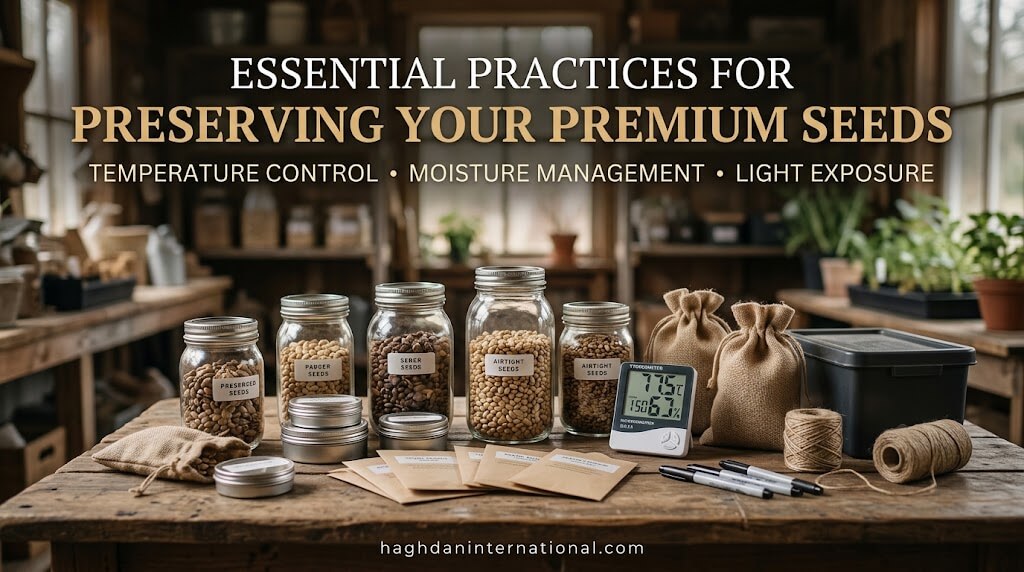
You have done the research and selected the highest quality seeds for your agricultural project. Now, protecting that vital investment becomes your top priority. Even the most superior genetics can quickly lose their germination potential and vigor if subjected to improper environmental conditions before planting. Proper storage is the bridge between purchasing excellent stock and enjoying a spectacular harvest.
To ensure your inventory remains viable, healthy, and ready to thrive when the planting season arrives, you must control their immediate environment. The three main enemies of seed longevity are heat, moisture, and light.
Temperature Control: Heat drastically reduces their viability and can cause them to consume their stored energy prematurely. Always store your supplies in a consistently cool environment to keep them perfectly dormant until you are ready to plant.
Moisture Management: Humidity is perhaps the greatest threat to unplanted materials. Excess moisture can encourage dangerous mold growth or trigger premature sprouting. Keep your batches in airtight containers, glass jars, or vacuum-sealed bags to block out environmental humidity.
Light Exposure: Sunlight acts as a natural signal for germination to begin. To maintain deep dormancy, keep your storage containers in a dark, shaded location away from direct sunlight.
Treating your seeds with the utmost care from the moment of acquisition to the day of planting ensures that their incredible genetic potential is perfectly preserved. By understanding the unique characteristics and needs of your selection, you set the stage for a spectacular, high-yielding harvest that deeply rewards your hard work and agricultural dedication.