


Plastic mulch has revolutionized modern agriculture by providing an efficient, cost-effective method to boost crop yields and improve farm management. It consists of plastic sheeting laid on soil surfaces to manage moisture, temperature, and weed growth. Here’s why plastic mulch has become an essential tool for farmers globally.
Plastic mulch acts as a physical barrier, blocking sunlight and suppressing weed germination. This reduces the need for herbicides and manual weeding, saving time and money.
The impermeable layer of plastic mulch traps soil moisture, reducing evaporation. This means less frequent watering, promoting water conservation and healthier root systems.
Mulch can increase soil temperatures, promoting faster plant growth, particularly in early spring when soil is colder. Warmer soil encourages seed germination and root development.
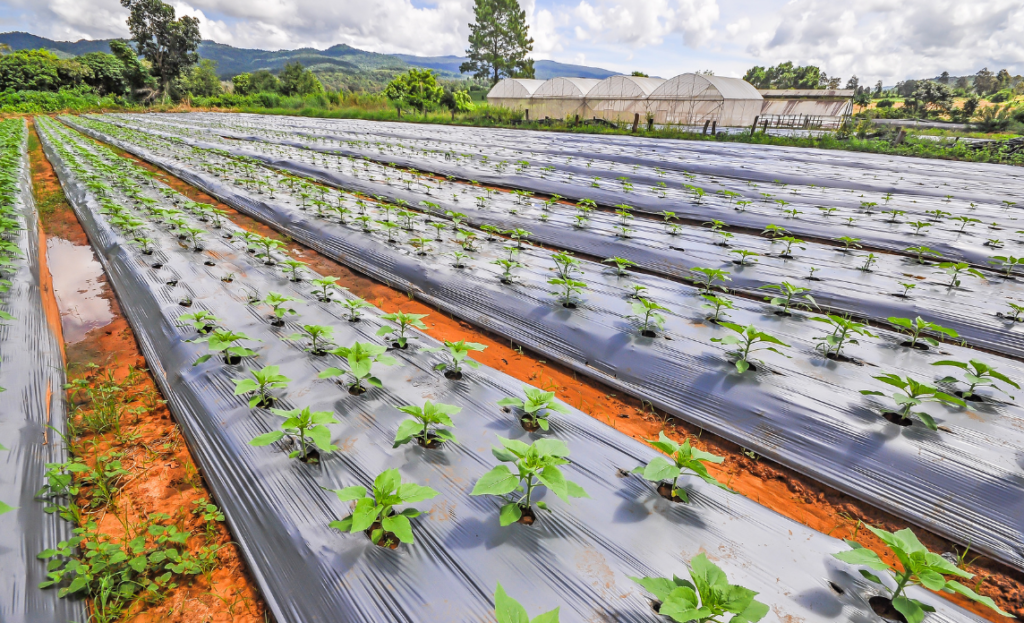
Plastic mulch has revolutionized modern agriculture by providing an efficient, cost-effective method to boost crop yields and improve farm management. It consists of plastic sheeting laid on soil surfaces to manage moisture, temperature, and weed growth. Here’s why plastic mulch has become an essential tool for farmers globally.
With less erosion and compaction, soil retains its structure, allowing better aeration and root penetration. By preventing direct contact between the crop and soil, plastic mulch also reduces the spread of soil-borne diseases.
The combination of weed suppression, moisture conservation, and temperature control results in more robust crops and higher yields. Farmers have seen significant productivity increases when using plastic mulch.
For more details on selecting the right type of plastic mulch for your needs, feel free to explore our product range or contact us for expert advice.