


The Ultimate Guide to Flat Drip Tape: Maximizing Water Efficiency in Modern Agriculture
Water is arguably the most critical variable in agricultural success. In an era defined by unpredictable climate shifts, prolonged droughts, and depleting aquifers, agricultural water management is no longer just an operational choice—it is a survival imperative. Farmers and commercial growers face mounting pressure to optimize crop yields while drastically cutting resource consumption.
Enter flat drip tape, a cornerstone of modern precision irrigation. By delivering moisture directly to the root zone with pinpoint accuracy, flat drip tape eliminates the inefficiencies of traditional watering methods, offering a paradigm shift in water conservation, crop health, and overall farm profitability.
What Is Flat Drip Tape?
Flat drip tape is an ultra-thin, flexible polyethylene tubing engineered for highefficiency drip irrigation systems. Unlike rigid pipes, it lies completely flat when depressurized and expands dynamically when water flows through the system.
It features seamlessly integrated emitters—often utilizing advanced turbulent flow paths to prevent clogging—that release water at highly precise, predetermined intervals. Because of its lightweight profile, cost-effectiveness, and rapid installation capabilities, flat drip tape is the preferred choice for row crops, commercial vegetable farming, and high-tech greenhouse operations.
How Flat Drip Tape Drastically Reduces Water Waste
Traditional irrigation methodologies, such as flood or overhead sprinkler systems, are notoriously inefficient. They lose massive volumes of water to evaporation, wind drift, surface runoff, and deep percolation. Flat drip tape directly addresses these vulnerabilities through controlled, low-pressure micro-irrigation.
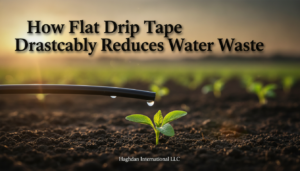
Here is the mechanics behind its superior water efficiency:
1. Precision Root-Zone Targeting
Crops do not require moisture across the entire field surface; water is only useful where the root system can actively absorb it. Flat drip tape localizes water delivery, creating an optimal wetting pattern directly beneath the plant. This precision drastically reduces the water wasted on barren inter-row soil, simultaneously starving invasive weeds of the moisture they need to grow.
2. Mitigation of Evaporation and Wind Drift
When water is propelled into the air via sprinklers, a significant percentage evaporates before it even touches the soil. Flat drip tape circumvents this by applying water directly to the ground level or slightly beneath it (Subsurface Drip Irrigation, or SDI). This keeps the soil surface relatively dry, locking moisture in the substrate where it benefits the crop most.
3. Elimination of Surface Runoff
Applying high volumes of water rapidly often exceeds the soil’s infiltration rate, leading to surface runoff. Flat drip tape operates on a principle of slow, continuous capillary action. By releasing water at a highly controlled drip rate, it allows the soil to absorb and retain moisture perfectly, preventing runoff and protecting the topsoil from erosion.
4. Exceptional Emission Uniformity
A meticulously engineered flat drip tape system guarantees consistent hydraulic distribution from the first plant in the row to the last. This emission uniformity prevents the dual threats of overwatering and underwatering, ensuring uniform crop growth and maximizing the efficiency of every drop pumped into the field.
The Economic and Agronomic Benefits for Growers
The advantages of flat drip tape extend far beyond environmental stewardship; they translate directly to the farm’s bottom line.
• Synergy with Fertigation: Flat drip tape is the ideal delivery mechanism for fertigation (injecting soluble fertilizers into the irrigation line). This delivers nutrients directly to the active root zone, cutting fertilizer costs, reducing nutrient leaching, and boosting crop uptake.
• Disease Mitigation: Overhead irrigation leaves foliage damp, creating a
breeding ground for fungal pathogens and soil-borne diseases. Drip tape keeps the plant canopy dry, significantly reducing disease pressure and lowering the capital spent on fungicides.
• Reduced Energy Expenditure: Because drip tape operates at significantly lower pressure than pivot or sprinkler systems, it requires less pumping power, leading to immediate reductions in electrical or diesel energy costs.
Ideal Applications: Where Drip Tape Shines
Flat drip tape is highly versatile and easily scalable, making it highly effective for closely spaced row crops and high-value agricultural commodities, including:
- Fruiting Vegetables: Tomatoes, peppers, cucumbers, and melons.
- Row Crops: Cotton, corn, and sugarcane.
- Berries: Strawberries and raspberries.
- Protected Agriculture: Greenhouses, high tunnels, and nurseries.
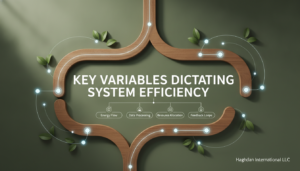
Key Variables Dictating System Efficiency
To unlock the maximum ROI from a flat drip tape system, growers must optimize several critical parameters:
- Wall Thickness (Mil) and Tape Quality: Higher-quality tape made from virgin resins offers superior tensile strength and resistance to UV degradation and insect damage. Thinner walls (e.g., 5-8 mil) are ideal for single-season crops, while thicker tapes (15+ mil) are suited for multiseason or subsurface use.
- Emitter Spacing and Flow Rates (LPH/GPH): Agronomic needs dictate these metrics. Sandy soils, which drain rapidly, require closer emitter spacing and higher flow rates, whereas heavy clay soils benefit from wider spacing and slower drips to prevent waterlogging.
- Filtration Systems: The heart of any drip system is its filtration. Utilizing proper screen, disc, or sand media filters is non-negotiable to prevent emitter clogging from suspended solids or algae.
Final Thoughts
As the agricultural sector faces an increasingly water-scarce future, adapting smarter irrigation technologies is vital. Flat drip tape is more than just an irrigation tube; it is a strategic asset for precision farming.
By mitigating evaporation, eliminating runoff, optimizing nutrient delivery, and safeguarding crop health, flat drip tape empowers modern growers to achieve higher yields with fundamentally fewer resources. For forward-thinking agricultural enterprises looking to bolster sustainability while protecting profit margins, transitioning to high-efficiency flat drip tape is a definitive step in the right direction.
Similar articles for Flat Drip Tape (Drip irrigation)